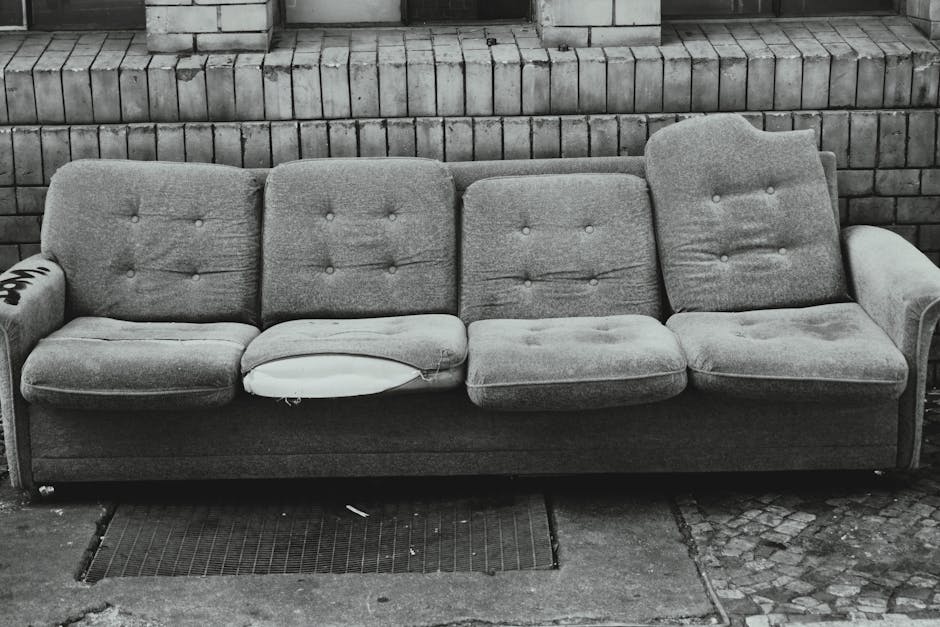
How Sutton Council rules affect sofa cleaning disposal in Carshalton
If you are arranging a sofa clean in Carshalton, the job does not always end when the fabric looks fresh again. The messy part can be what comes next: waste water, removed cushions, old covers, packaging, or even a sofa that is beyond saving and needs disposal. Understanding how Sutton Council rules affect sofa cleaning disposal in Carshalton helps you avoid fines, wasted trips to the tip, and the kind of hassle nobody wants on a Saturday afternoon.
In plain English, this topic sits right where domestic cleaning, waste handling, and local responsibility meet. That sounds a bit dry, maybe. But it matters, because the right disposal choice can protect drains, reduce contamination risks, and keep you on the right side of local rules. Below, we break it down clearly, with practical advice for homeowners, tenants, landlords, and anyone dealing with a tired-looking sofa that has had one spill too many.
Table of Contents
- Why Sutton Council rules matter for sofa cleaning disposal
- How the process works in practice
- Key benefits and practical advantages
- Who this is for and when it makes sense
- Step-by-step guidance
- Expert tips for better results
- Common mistakes to avoid
- Tools, resources and recommendations
- Law, compliance, standards and best practice
- Options and comparison table
- Case study or real-world example
- Practical checklist
- Conclusion
- Frequently asked questions
Why Sutton Council rules matter for sofa cleaning disposal in Carshalton
There is a simple reason this topic catches people out: sofa cleaning creates different kinds of waste, and not all of it should go in the same bin, down the same drain, or into the same skip. Sutton Council, like other London boroughs, sets expectations around household waste, bulky items, recycling, and responsible disposal. Those rules are there to keep streets tidy, protect drainage systems, and reduce environmental harm. Fair enough, really.
For Carshalton residents, the practical issue is usually not a dramatic legal battle. It is more often a small misunderstanding that leads to an avoidable problem. For example, a homeowner might assume dirty rinse water can be tipped outside on the pavement, or a tenant may leave a damaged sofa beside a communal bin and hope it disappears. That sort of shortcut can create an unpleasant smell, block access, or trigger a complaint from neighbours or the managing agent. And yes, it can get awkward fast.
Another reason the rules matter is that sofa cleaning and sofa disposal are related but not identical. A clean sofa may still need careful waste handling if you remove foam, fabric, absorbent pads, stain treatments, or a pile of heavily soiled cloths. If the sofa is no longer usable, disposal becomes its own task, and local rules about bulky waste and recycling come into play. The main point is this: cleaning is not a free pass to treat the leftovers casually.
Practical takeaway: if your sofa cleaning creates waste, treat that waste as a disposal decision, not an afterthought. That one change usually avoids most problems.
How Sutton Council rules affect sofa cleaning disposal in Carshalton works
The basic workflow is straightforward once you know what to look for. First, identify the type of waste created by the sofa cleaning job. Then decide whether it can be reused, recycled, collected as household waste, or needs a specialist route. Finally, make sure anything liquid, bulky, or contaminated is handled in a way that fits local expectations.
In practice, the main categories are usually:
- Cleaning wastewater from wet extraction or steam cleaning equipment.
- Disposable cloths, pads, or filters that have picked up dirt, odours, or cleaning solution.
- Removed sofa parts such as worn covers, damaged foam, or broken feet.
- Whole sofa disposal when the item is beyond repair.
For wastewater, the key question is where it ends up. Small amounts from domestic cleaning are generally handled very differently from large volumes or contaminated liquid from commercial work. You should avoid letting dirty water run into places it should not, especially if it contains heavy detergent, grease, pet residue, or loosened grime. This is one of those moments where common sense matters more than fancy equipment.
For bulky items, the council's approach usually centres on whether the waste can be collected through an approved bulky waste route, taken to an appropriate recycling or reuse facility, or removed by a licensed waste carrier if you are using a cleaning contractor. A sofa with a removable washable cover may need less disposal than one with damaged padding, but do not assume every part can be binned separately without thought. Upholstered furniture can contain mixed materials, and mixed materials are rarely as simple as they look.
If a professional cleaner is involved, they should be able to explain how they manage waste water, packaging, and any removed materials. That is where a company's broader service standards matter too. You can see this kind of approach reflected in the way reputable providers present their sofa cleaning and upholstery cleaning services: not just the visible result, but the handling of the job from start to finish.
Key benefits and practical advantages
Following local rules might not sound thrilling, but it pays off in very real ways. When sofa cleaning disposal is handled properly, you reduce risk, save time, and avoid unnecessary extra costs. You also make life easier for anyone sharing the property, which is often the real win.
- Less risk of council complaints from improper dumping or blocked communal areas.
- Cleaner drainage and safer surfaces when wastewater is handled sensibly.
- Better recycling and reuse outcomes if parts of the sofa can be separated responsibly.
- Fewer delays because you are not waiting to fix a disposal mistake later.
- More confidence when hiring help, since you know what should happen after the clean.
There is also a quieter benefit: peace of mind. If you have ever stared at a removed sofa cover, a bucket of dark rinse water, and a hallway that suddenly feels too narrow, you will know the feeling. Decisions made in that moment can be a bit rushed. Having a plan changes the whole day. The job becomes neat, not chaotic.
For landlords and letting agents, good disposal practice also supports a better end-of-tenancy process. A sofa that has been cleaned, checked, and disposed of properly leaves less room for disputes over who should have dealt with what. That matters more than people admit.
Who this is for and when it makes sense
This guidance is useful for a few different people, and the scenarios are more common than you might think.
- Homeowners dealing with a sofa that has stains, odours, or damage after a spill.
- Renters who need to clean up before leaving a property or after a pet accident.
- Landlords who want to avoid waste-handling problems after a tenancy ends.
- Property managers arranging cleaning in shared homes, HMOs, or furnished lets.
- Families and pet owners who need a cleaner, safer living room but also have disposal to think about.
- Anyone replacing a sofa after deciding the old one is no longer worth rescuing.
It makes sense whenever the cleaning process produces something you cannot simply put back where it came from. That might be a ruined cushion insert, a waterlogged pad, a broken frame section, or even a pile of packaging from stain products and cleaning materials. To be fair, the more thorough the clean, the more likely you are to generate a few extras that need proper disposal.
If the sofa is still structurally sound, cleaning is usually the first sensible step. If not, disposal planning becomes the priority. A good rule of thumb is simple: if the item will still be safe, comfortable, and presentable after cleaning, keep it. If not, do not keep throwing effort at something that has already had its day. A bit blunt, but true.
Step-by-step guidance
Here is a practical way to handle sofa cleaning disposal in Carshalton without overcomplicating it.
- Inspect the sofa first. Check for structural damage, mould, deep odours, broken springs, or severe fabric wear. If the frame is failing, cleaning may only delay the inevitable.
- Separate the waste types. Put wastewater, fabric offcuts, packaging, and bulky components into different categories. This makes disposal decisions much easier.
- Check what can be reused or recycled. Some covers, cushion inserts, or packaging may be suitable for a recycling route if they are clean enough and accepted locally. Mixed or contaminated materials often are not.
- Contain wastewater properly. Use appropriate extraction methods and never assume a drain, gutter, or outdoor surface is an acceptable shortcut. If in doubt, ask the cleaner how they manage the liquid waste.
- Arrange sofa disposal if needed. If the sofa cannot be saved, use a proper bulky waste or licensed removal route rather than leaving it outside.
- Keep access clear. In flats or shared houses, make sure hallways, driveways, and bins are not blocked. Neighbours remember that sort of thing.
- Document what was done. For landlords or managing agents, a quick note or photo record helps if questions come up later.
One small but useful habit is to decide disposal before the clean starts. It sounds obvious. Yet a lot of problems appear because the person carrying out the work never asked, "What happens if this sofa cannot be brought back?" That one question saves a surprising amount of faff.
If you are using a professional cleaner, ask them how they handle waste by default. A good operator should explain whether they remove only surface dirt, manage wastewater responsibly, or advise when furniture is no longer worth cleaning. That sort of clarity is usually a good sign.
Expert tips for better results
In our experience, the best outcomes come from treating cleaning and disposal as one process rather than two separate jobs. That means making decisions early, being realistic about the furniture's condition, and not waiting until the end to work out where everything goes. Small things, big difference.
Tip 1: Test the sofa's condition before investing in a deep clean. If the odour is embedded in the padding or the frame has sagged badly, a professional clean may improve appearance but not solve the underlying issue.
Tip 2: Ask about fabric type. Velvet, leather, synthetic blends, and natural fibres all behave differently. For example, some materials respond well to careful cleaning, while others can show water marks or shrink if treated badly. A good cleaner will know the difference. If you want a deeper read on fabric care, the advice in washing sofa covers safely and effectively is a useful companion topic.
Tip 3: Keep pet-related residue in mind. A sofa that has absorbed pet odours often needs more than surface cleaning, and disposal decisions may change if the contamination has gone too deep. The same is true for heavy food stains or repeated spills. You do not want to spend ages chasing a result that was never realistic.
Tip 4: Use extraction and drying methods that minimise leftover moisture. Damp fabric left to sit can create smells, and smells often lead to unnecessary replacement. Nobody wants that musty living-room note drifting around at 9 p.m.
Tip 5: For larger jobs, ask how the cleaner handles transport waste, cloth disposal, and packaging. A tidy-looking quote is good, but tidy waste handling is better.
And a quick one from real life: if a sofa has lived through toddlers, pets, tea spills, and one questionable house move, maybe it deserves an honest conversation rather than another miracle promise. Sometimes the bravest decision is replacement.
Common mistakes to avoid
The same errors come up again and again. Luckily, they are easy to avoid once you know them.
- Tipping dirty water into an unsuitable place. This can cause odours, mess, or drainage issues.
- Leaving a sofa outside without checking the correct disposal route. It may count as fly-tipping or abandoned waste depending on the circumstances.
- Assuming all upholstery waste is recyclable. Mixed-material furniture is often difficult to process.
- Ignoring communal property rules. Flats and shared houses can have extra building rules on waste storage and collection days.
- Trying to rescue a sofa that is already done. A deep clean is not magic. Handy, yes. Magic, no.
- Not asking the cleaner about waste handling. If they cannot explain their process, that is a warning sign.
Another common slip is not checking whether the sofa is being cleaned for reuse or because it is being cleared ahead of disposal. Those are different jobs. A cleaner may approach them differently, and the waste outcome will definitely be different. It sounds small, but it changes everything.
Tools, resources and recommendations
You do not need a van full of specialist kit to make sensible decisions, but a few tools and habits help a lot.
- Protective gloves for handling contaminated cloths or damaged fabric.
- Sealable bags or tubs for separating small waste items.
- Absorbent cloths for controlled clean-up, rather than spreading moisture around.
- Measuring tape if you are checking whether a sofa can be carried out safely or needs dismantling.
- Phone camera to record condition before and after cleaning, especially for tenancies.
On the service side, it can help to choose a provider that talks openly about pricing, safety, and expectations before work begins. Pages such as pricing and quotes, health and safety policy, and insurance and safety are useful signs that a business takes the practical side seriously.
If you are comparing services, it is also worth looking at broader cleaning guidance, not just upholstery. For example, articles like a deep clean checklist or a home cleaning checklist can help you plan the sequence of jobs. A sofa rarely exists in isolation, after all. It sits in a room with carpet, curtains, traffic paths, dust, and the odd forgotten crisp packet.
For households thinking about waste more broadly, recycling and sustainability is a sensible reference point. It reinforces the idea that disposal choices are not just about convenience; they are also about what happens to the item next.
Law, compliance, standards and best practice
This is the section where people often want a hard rule, but reality is a bit more layered. Local councils set waste-handling expectations, while general UK waste principles also apply. In practical terms, the safest approach is to avoid creating pollution, do not dump waste where it should not go, and use approved collection or disposal routes for bulky items. Simple enough, though not always simple in the moment.
For sofa cleaning disposal in Carshalton, the compliance concerns usually sit around three areas:
- Wastewater management - dirty liquid should be handled so it does not create environmental or drainage problems.
- Bulky waste disposal - sofas and large furniture should go through proper collection or disposal routes.
- Duty of care - if you are paying a contractor, they should deal with waste responsibly and in line with legal expectations.
Best practice means keeping records, using reputable providers, and not assuming that household-sized waste is automatically harmless. Even if a task feels domestic and low risk, the waste it produces can still matter. That is especially true where there is pet contamination, mould, or heavy soiling. A damp, grimy sofa can carry more hidden issues than people expect. The smell alone can tell you that much.
For businesses or landlords overseeing larger premises, it is worth taking a more formal approach to waste handling. A contractor should be able to explain how they separate materials, avoid spillages, and store waste before removal. Those little operational details show whether the job is being done carefully or just quickly.
Options and comparison table
When dealing with a sofa that has been cleaned or needs to be disposed of, there are usually a few possible routes. The right one depends on the condition of the sofa, the amount of waste generated, and how quickly you need the space cleared.
| Option | Best for | Pros | Watch-outs |
|---|---|---|---|
| Keep and clean the sofa | Solid furniture with cosmetic stains or odours | Cheaper than replacement, less waste, preserves good furniture | Not suitable if the frame, springs, or padding are failing |
| Partial disposal of parts | Mixed-condition sofas with removable covers or damaged sections | Can reduce waste and recover usable components | Materials may need sorting, and not everything is recyclable |
| Bulky waste collection | Whole sofas that are no longer usable | Convenient, tidy, and suitable for large items | Needs correct booking and timing, depending on the service available |
| Licensed removal by contractor | Homes, landlords, or larger jobs needing full service | Less lifting, less hassle, often better for compliance | Choose a reputable provider and confirm what happens to the waste |
In many Carshalton homes, the decision comes down to a straightforward question: is the sofa still worth saving? If yes, clean it properly. If no, plan disposal properly. That sounds almost too simple, but the simple answer is often the right one.
Case study or real-world example
Imagine a family in Carshalton preparing a living room for guests over the weekend. Their two-seater sofa has a coffee stain on one cushion, a faint pet smell, and a few marks along the arm from everyday use. At first glance, they think it needs replacing. Then they inspect it more closely. The frame is sound, the cushions are intact, and the fabric is still in good shape apart from the staining.
They arrange a professional clean. During the process, the cleaner removes a small amount of wastewater, a set of disposable cloths, and the packaging from the treatment products. Nothing dramatic, but it all needs handling properly. The sofa is restored well enough to keep, and the family avoids the cost and waste of replacement. Nice outcome, really.
Now compare that with a second case: a rented flat where a sofa has mould spots, sagging cushions, and a persistent odour after a leak. Cleaning improves the appearance a little, but the padding remains damp and the smell lingers. In that situation, disposal is more sensible than repeated treatment. The landlord arranges a proper removal route, clears the item before the next tenancy, and avoids leaving a bulky item by the communal bins. Cleaner result, fewer complaints, less drama. Everyone wins.
That contrast is the heart of this topic. The rules are not there to make life harder; they are there to make disposal more orderly and less messy for everyone around you.
Practical checklist
Use this quick checklist before, during, or after sofa cleaning in Carshalton.
- Check whether the sofa is worth saving.
- Identify all waste types created by the job.
- Keep wastewater under control and dispose of it appropriately.
- Separate fabric, packaging, and damaged parts where possible.
- Confirm whether bulky waste collection or another disposal route is needed.
- Avoid leaving furniture outside without a proper collection plan.
- Ask the cleaner how they manage waste, not just how they clean.
- Keep a record for tenancies, landlords, or shared properties.
- Use protective handling if contamination, mould, or pet residue is involved.
- Choose reuse or recycling only where the material is genuinely suitable.
If you can tick most of those off, you are already ahead of the average rush job. Not glamorous, perhaps. But it works.
Conclusion
How Sutton Council rules affect sofa cleaning disposal in Carshalton comes down to a simple idea: clean the sofa, but do not forget the waste it creates. Once you separate wastewater, soft furnishings, packaging, and bulky item disposal into their proper lanes, the whole process gets much easier. You protect your home, your neighbours, and your own time.
The best approach is usually the calm one. Check whether the sofa is worth keeping, handle waste properly, and use the right disposal route if it is not. A few sensible decisions early on can save a lot of faff later, and honestly, that is the kind of win most people are happy to have.
If you are unsure how much cleaning is worthwhile or what should happen to the leftovers, a trusted local professional can help you decide before the job turns into a bigger headache. Small choices, made early, tend to lead to the cleanest results.
Get a free quote today and see how much you can save.
And if nothing else, you will know the sofa story ended properly, which is a quiet relief in itself.
Frequently Asked Questions
Can I put sofa cleaning wastewater down the drain in Carshalton?
Sometimes small amounts of domestic wastewater can be managed safely, but you should never assume every liquid is fine for every drain. Dirty water with heavy detergent, grease, pet residue, or loose debris needs careful handling. If in doubt, ask the cleaner how they dispose of it.
Does Sutton Council treat a sofa as household waste or bulky waste?
A sofa is usually treated as bulky household waste rather than ordinary bin waste. That means it normally needs a proper collection route, transfer option, or disposal arrangement rather than being left with standard rubbish. The details can vary depending on condition and collection method.
What if my sofa is only partly damaged?
If the frame and padding are still usable, cleaning and partial repair may be better than disposal. If the damage is structural, the fabric is badly contaminated, or the smell has penetrated deep into the cushioning, replacement may be the better choice. It is often a judgment call, to be fair.
Can I leave an unwanted sofa near the bins?
That is usually a bad idea. Leaving large furniture beside bins without proper collection can create obstruction, complaints, and disposal problems. Use a correct bulky waste or removal route instead.
Do professional sofa cleaners deal with disposal too?
Some do, some do not. A professional cleaner may handle waste water, cloths, packaging, and advice about disposal, but you should always confirm what is included before booking. Never assume it is part of the service unless it is clearly explained.
Is it better to clean an old sofa or replace it?
It depends on the sofa's condition. If the upholstery is sound and the issue is mainly stains, odour, or surface grime, cleaning often makes sense. If the sofa is sagging, mouldy, or structurally worn out, replacement may be more economical in the long run.
What happens if my sofa has pet odour or urine damage?
Pet contamination can be tougher to manage than simple dirt. Sometimes the smell can be reduced with deep cleaning, stain treatment, and proper drying. But if the odour has soaked into the padding or base, disposal may be the more sensible option.
Can sofa covers be washed instead of disposing of the whole sofa?
Yes, if the covers are removable and the care label allows it. Washing the covers can be a smart way to refresh the furniture without sending the whole item to waste. Just make sure the fabric is suitable and the rest of the sofa is in good condition.
How do I know if a sofa cleaner is following good practice?
Look for clear explanations about waste handling, drying methods, fabric care, and safety. A reputable provider should answer practical questions without getting vague. If they can explain the process in plain language, that is usually a good sign.
Are there recycling options for sofa parts?
Sometimes, yes. Some components such as metal frames or certain packaging materials may be recyclable, but mixed upholstery materials are often harder to process. Separation and local acceptance rules matter, so do not assume all parts can be recycled together.
What should landlords in Carshalton do after tenant sofa damage?
Landlords should inspect the furniture, decide whether cleaning or disposal is more sensible, and keep a record of the condition and any work carried out. For furnished properties, clear communication and proper waste handling help prevent disputes and delays between tenancies.
Can a deep clean make an unusable sofa safe again?
Not always. A deep clean can improve appearance, remove surface dirt, and reduce odours, but it cannot repair a broken frame, badly degraded foam, or long-term mould damage. Cleaning helps, but it is not a cure-all. Annoying, yes, but honest.
What is the safest first step if I am unsure about disposal?
Inspect the sofa, identify the waste it will create, and ask a professional or local service how they recommend handling it. That first conversation usually clears up the confusion quickly and helps you avoid a rushed mistake later.